
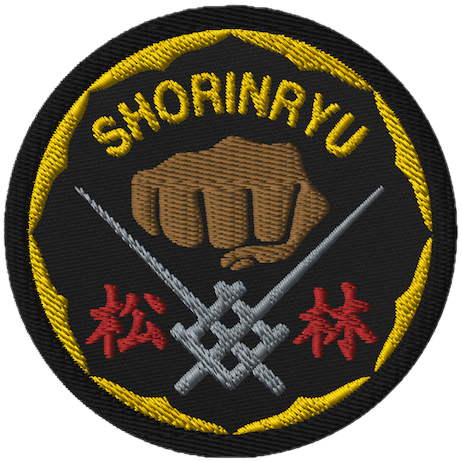
The various names that are used to refer to Shorin Ryu such as Matsubayashi, Kobayashi, Shorinji, Shobayashi and Sukunaihayashi all mean the same thing. The reason for the choice of the term to represent the various methods of "Shorin Ryu" by each group in some cases have a specific meaning but the meanings are the same.
Shorin Ryu is the Japanese pronunciation of the Shaolin in Chinese. The English translation is "The small forest way". The kanji is not clear as to whether it is in reference to a small forest where the trees are short or does it mean that it is a small forest in geographic size or does it mean a small group of forest. The kanji used for small could be used in describing a small group of large men or a large group of small men.
Sukunaihayashi means exactly the same as Shorin Ryu or Shaolin. The kanji is the same it is just a different way of pronunciation. It is not known why Kyan used this term other than it is said that it is an older pronunciation that he may have been comfortable with.
Kobayashi is the pronunciation of Chibana and the difference is his supposed erroneous use of kanji that specifically indicates the use of "small" that indicates the size not the number or reference to a "few".
Matsubayashi was created by Nagamine. He stated that the kanji he used was in honor of Matsumura and Matsumora it still is read as Shorin Ryu.
Shorinji is used by Nakazato Joen and the Hisataka group in difference to wanting to reflect their methods back to a closer tie to China.
Over time these various terms have been used to identify a certain method of the group that bears the choice of name but in reality all the terms mean the same thing a reference to the methods that came from China and the Shaolin Temple.
The question has been asked of why their there is so many derivations of Shorin Ryu as compared to Goju Ryu or Uechi Ryu. It is the tenure of the methods of Shorin Ryu. The history of Shorin Ryu on Okinawa is at a minimum of 300 years old and perhaps as old as 700 years. In retrospect to only have four clear divisions is rather surprising. If you follow Shaolin back to China you will have hundreds of methods that have developed over the same period.
Reprinted with permission from the CyberDojo Group (1999)


Copyright Shuriway
All rights reserved.
Use of this website is governed by the Terms of Use.